Firefighting is not a job where you can predict what your body will be asked to do next. One call might involve climbing stairs carrying equipment. The next could mean dragging a charged hose line, forcing a door, carrying a patient, crawling through a confined space or working for extended periods in extreme heat.
And in Alberta, firefighting can look very different depending on where you serve.
A career firefighter in Edmonton or Calgary may face high-rise structures, vehicle collisions and residential fires. A rural volunteer firefighter may respond from home or work and arrive at an emergency with limited manpower and different equipment. A wildland firefighter may spend hours hiking, carrying equipment and working in extreme heat, smoke and challenging terrain.
The common denominator?
You need to be physically prepared for the job.
That is why firefighter fitness training in Alberta needs to go beyond traditional gym workouts. Your training should develop strength, cardiovascular fitness, muscular endurance, power, mobility and the ability to keep performing when you’re tired.
Firefighting Requires More Than Being “Fit”
There’s a big difference between being generally fit and being firefighter fit.
You might be able to run 5 kilometres or bench press a respectable amount of weight, but can you climb stairs while carrying a load, while wearing a Self Contained Breathing Apparatus? Can you repeatedly lift, drag, push and pull when your heart rate is through the roof and your breath is limited by the tank of air on your back? Can you maintain good movement patterns when you’re exhausted, overheated and wearing bulky safety clothing?
That’s the type of fitness that matters!
Effective firefighter fitness training in Alberta should prepare you for the physical demands you’ll actually encounter—not simply help you look good in a gym.
Firefighter fitness needs to develop:
- Cardiovascular endurance to sustain prolonged work
- Anaerobic capacity for short, intense bursts of effort
- Leg strength and power for climbing, lifting and movement
- Upper-body strength for hose handling, pulling and pushing
- Grip strength for tools, ladders and equipment
- Core strength for carrying, dragging and stabilizing loads
- Muscular endurance for repeated efforts
- Mobility to move efficiently in awkward positions
- Recovery capacity to perform again after intense efforts
And there’s one more critical component: mental toughness. When you’re exhausted, uncomfortable and under pressure, you still have to do the job. Your training should prepare you for that reality.
City Firefighters: Train for Intensity and Repeated Efforts
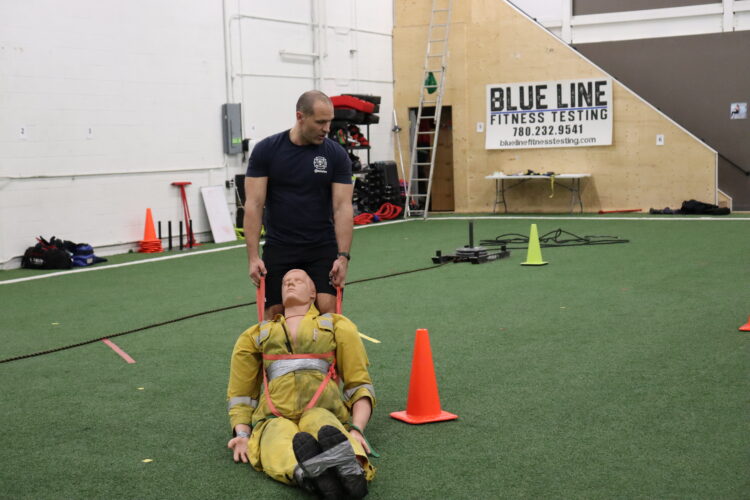
Career firefighters working in Alberta’s cities can face extremely demanding physical situations with little warning. Imagine climbing several flights of stairs wearing protective equipment and carrying additional gear. Now imagine reaching the fire floor and immediately having to perform another physically demanding task. That is not a steady-state cardio workout. It’s repeated high-intensity work.
For city firefighters, training should incorporate intervals, circuits and functional strength work that replicate this stop-start nature of emergency response.
For example, a workout might combine:
Stair climbing → sled push → hose drag → dummy drag → recovery → repeat
Your heart rate climbs. Your muscles fatigue. You recover. Then you have to perform again. That’s exactly the point!
Why Interval Training Matters
Interval training teaches your body to produce high levels of effort and then recover quickly enough to go again. That matters tremendously in firefighting. You don’t get to choose when the next physical demand arrives, it could be the middle of the night, in the middle of eating a meal, while you are at home if you are on-call or on the side of the road with traffic rushing by.
A well-designed firefighter program should progressively challenge both your aerobic and anaerobic systems while maintaining strength and movement quality. That’s where firefighter fitness training in Alberta needs to be different from a generic cardio program.
Rural Volunteer Firefighters: Prepare for the Unexpected
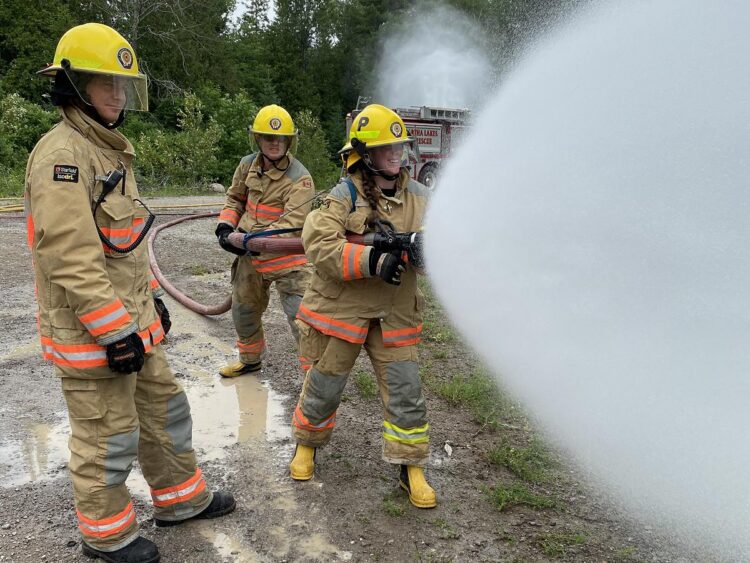
Rural firefighting brings its own challenges. Volunteer firefighters may be responding from different locations, arriving at different times and working with varying numbers of personnel. Calls can include structure fires, vehicle collisions, grass fires, farm incidents and other emergencies. The physical demands can change dramatically from one call to the next. That means rural volunteer firefighters need versatile, functional fitness.
You may need to:
- Carry equipment across uneven terrain
- Climb ladders
- Move awkward objects
- Drag hoses
- Lift or carry patients
- Push and pull equipment
- Work in heat and smoke
- Perform repeated movements while fatigued
Your workouts should reflect that variety. Instead of spending every training session on machines that isolate one muscle or muscle group at a time, incorporate movements that challenge the whole body.
Think: Lift. Carry. Drag. Push. Pull. Climb. Sprint. Recover. Repeat.
Wildland Firefighters: Endurance Meets Strength
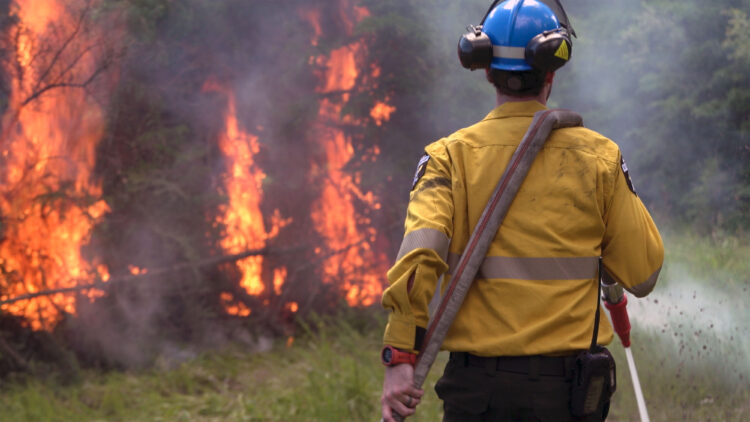
Wildland firefighting demands a different type of physical preparation. Long periods of walking or hiking through challenging terrain can be combined with heavy equipment, steep inclines, heat, smoke and repeated physical tasks. You need endurance—but endurance alone isn’t enough. A wildland firefighter needs the strength and muscular endurance to carry equipment and continue working when fatigue is accumulating. This is where combining strength training, aerobic conditioning and intervals becomes incredibly important.
A strong wildland-focused program might include:
- Loaded hiking
- Incline walking
- Hill intervals
- Step-ups
- Lunges
- Loaded carries
- Sled work
- Core training
- Grip work
- Functional circuits
The goal isn’t simply to survive a long hike. It’s to arrive at the work site ready to work.
Why Circuit Training Is So Effective for Firefighters
One of the best tools available for firefighter fitness training in Alberta is circuit training.
Why?
Because firefighting doesn’t happen one movement at a time with five minutes of rest between exercises. A firefighter might climb, carry, pull, push, drag and lift with very little recovery. Circuit training allows you to replicate that demand.
For example:
Firefighter Conditioning Circuit
3–5 rounds:
- 60-second stair climb
- 20-metre sled push
- 20-metre weighted carry
- 10 step-ups per leg
- 20-metre hose or rope drag
- 30 seconds of battle ropes
- 60–90 seconds recovery
The exact exercises, loads and work-to-rest ratios should be adjusted based on your current fitness level and goals. The important part is the structure:
Work hard → recover → work hard again.
That’s how you build the ability to perform when you’re fatigued.
Don’t Forget Strength Training
Cardio gets a lot of attention in firefighter preparation, but strength is just as important. You don’t want to be the firefighter who can run forever but can’t efficiently move a heavy object. Functional strength should be a major part of your program.
Focus on movements such as:
SquatS
Builds lower-body strength for climbing, lifting and getting up and down efficiently.
HingeS
Deadlift variations help develop the posterior-chain strength required for lifting and dragging.
PushES
Develop the strength needed for pushing equipment, forcing movement and controlling loads.
PullS
Rows, pull-ups and other pulling movements help develop the upper-back and arm strength required for equipment handling.
CarrIES
Loaded carries are one of the simplest and most effective ways to develop full-body strength, grip and conditioning.
Rotate and Brace
Your core isn’t just about doing hundreds of crunches. Firefighters need to stabilize their trunk while carrying, pulling, pushing and moving awkward loads.
Train for the Test AND the Job
If you’re preparing for a firefighter fitness test, there’s another important consideration: Don’t train only to pass the test.
Train to be prepared for what happens after you pass. Testing gives you a benchmark. It demonstrates whether you have reached a particular level of physical ability but your career will demand more than one test. Your fitness needs to continue developing after you get hired.
This is one of the biggest reasons firefighter fitness training in Alberta should be approached as a long-term investment rather than something you start a few weeks before testing.
How Blue Line Fitness Testing Can Help You Become Firefighter Ready
At Blue Line Fitness Testing, we understand that firefighters need more than generic gym workouts. Our goal is to help you build job-ready fitness. Blue Line offers specialized training, classes and resources designed to help first responders and firefighter candidates improve their performance, including:
???? Firefighter Fitness Training
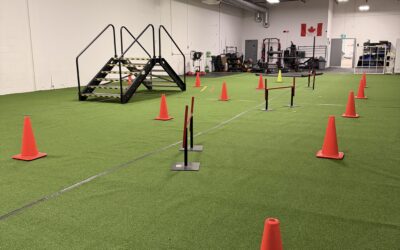
Train using functional movements and conditioning designed around the physical demands of firefighting using the same equipment you will be required to use during your fitness test and on the job.
???? Fire Open Gym
Get hands-on experience working through firefighter-specific obstacles and movements while developing strength and conditioning, all at your own pace. A certified coach is on hand for every class to help with technique, give tips and support your work.
???? VO₂ Max Testing
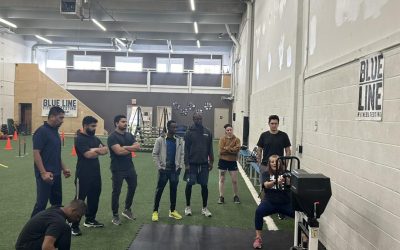
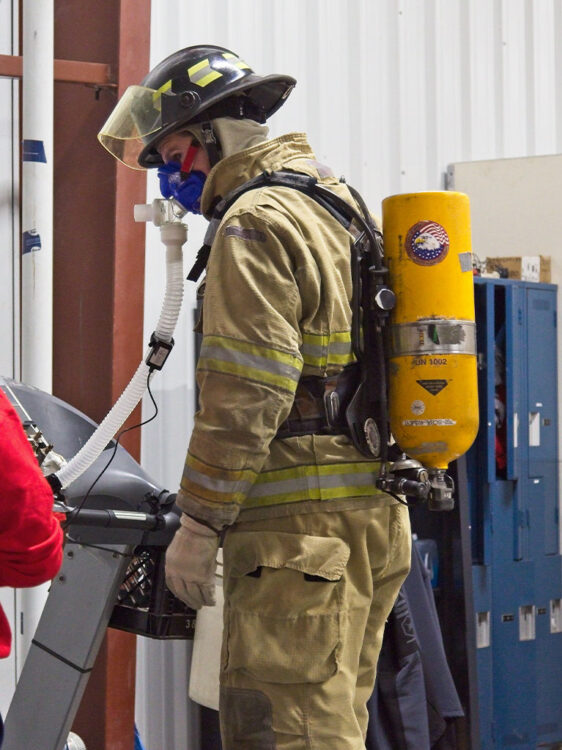
Understand your cardiovascular capacity and establish a measurable baseline for your conditioning. Our VO₂ Max Testing gives you measurable data on how efficiently your body performs under load—and exactly how to improve it.
✔️ AMR testing
✔️ VO₂ Max run test with mask system
✔️ Personalized results analysis
✔️ Actionable training recommendations
???? Functional Training Equipment
Train with the equipment and movements that replicate the demands of real-world work rather than simply exercising on traditional gym machines.
???? Coaching and Individualized Support
Whether you’re starting from scratch or already in excellent shape, we can help you identify what needs to improve and create a path forward. That’s the difference between simply working out and firefighter fitness training in Alberta with Blue Line Fitness Testing. Our one-on-one training sessions provide a focused and customized approach to your fitness goals and our trainers will work closely with you to develop a personalized plan that targets the specific requirements of firefighter fitness testing.
You Don’t Need to Be a Firefighter to Start Training Like One
One of the biggest mistakes we see is waiting until you have a test date. Don’t be that person!
If becoming a firefighter is your goal, start building your fitness now. If you’re a volunteer firefighter who wants to improve your performance, start now. If you’re an experienced firefighter who knows you could be stronger, faster or better conditioned, start now. And if wildland firefighting is your goal, don’t wait until fire season to discover that your conditioning isn’t where it needs to be.
Your fitness is part of your equipment. You wouldn’t show up to a fire with equipment you haven’t tested. Don’t show up with a body you haven’t prepared.
Train Hard. Train Smart. Be Ready.
Firefighting is physically demanding, unpredictable and unforgiving. Whether you’re preparing to become a city firefighter, joining a rural volunteer department or heading into wildland firefighting, your training should reflect the work you’re asking your body to perform.
Build strength. Build endurance. Build power. Train intervals. Use circuits. Carry heavy things. Practice working when you’re tired. And most importantly, train with purpose.
If you’re looking for firefighter fitness training in Alberta, Blue Line Fitness Testing in Edmonton can help you take your preparation to the next level.
Don’t wait for the test date, start NOW!
For more information on any of the first responder fitness testing Blue Line offers, check out these pages and posts:
THE IMPORTANCE OF BEING PREPARED: 5 TIPS FOR EXCELLING IN LAW ENFORCEMENT FITNESS TESTS
TOP 10 EXERCISES TO ACE YOUR PARE OR COPAT TEST
How the Pass the PARE in Alberta
Sirens, Slammers and Service – A podcast for first responders