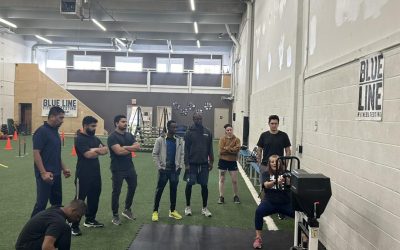
When it comes to fitness, first responders don’t have the luxury of training for comfort—they need to train for chaos.
Whether you’re preparing for a pursuit, a rescue, or a physically demanding fitness test that is only just a taste of what you will experience as a first responder, your fitness must reflect the unpredictable nature of the job. That’s where interval and circuit training for first responders becomes a game changer.
This isn’t about “looking fit”. It’s about being operationally ready.
The Reality of First Responder Fitness
Police officers, firefighters, and paramedics face bursts of high-intensity effort followed by brief recovery periods. Think sprinting upstairs in full gear, dragging a victim, or wrestling a suspect—then immediately needing to recover and go again.
Traditional steady-state cardio (think jogging on the treadmill or elliptical!!) just doesn’t cut it.
To truly prepare, your training needs to mimic the job. That’s why interval and circuit training for first responders is one of the most effective approaches available.
What Is Interval Training—and Why It Works
Interval training alternates between high-intensity effort and short recovery periods. This style of training improves:
- Cardiovascular efficiency
- Recovery time between efforts
- Mental toughness under fatigue
For example, sprinting hard for 60 seconds, then walking for 30 seconds, repeated multiple times, forces your body to adapt to stress and recover quickly—exactly what the job demands. In the first responder world, 60 second sprints should be relatively easy to do, and most first responders should be working to a 90 second or 2 minute long interval with a recovery time that is half the interval time due to the nature of our work.
For first responders, this translates directly into better performance during real-world scenarios and fitness testing.
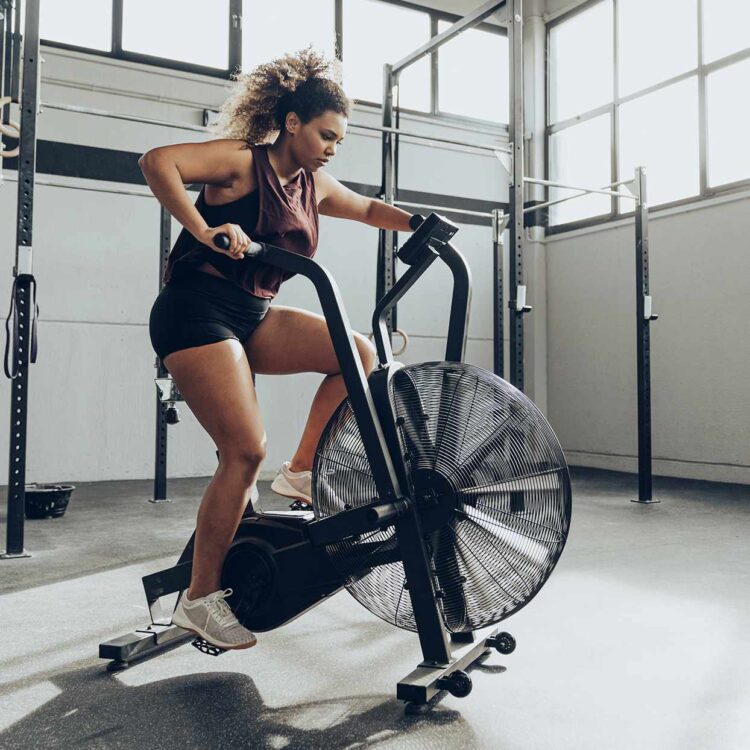
The Power of Circuit Training
Circuit training takes things a step further by combining multiple exercises back-to-back with minimal rest. A well-designed circuit might include:
- Push/pull strength movements
- Loaded carries
- Agility drills
- Cardio bursts
This approach builds muscular endurance, coordination, and full-body strength—all while keeping your heart rate elevated.
When done properly, interval and circuit training for first responders develops the kind of functional fitness you can’t fake.
Why This Training Style Matters for Testing
If you’re preparing for fitness tests like the PARE, COPAT, or APREP Police evaluations, you already know they’re not linear—they’re demanding, fast-paced, and relentless. Practice tests will give you an idea of the level of fitness you will require to pass (and walking ain’t going to cut it!)
That’s exactly why interval and circuit training for first responders is critical.
It conditions your body to:
- Transition quickly between movements
- Maintain power output under fatigue
- Stay mentally locked in when it counts
Training this way doesn’t just help you pass—it helps you dominate.

The Missing Piece: Structure and Specificity
Here’s where many people get it wrong: they try to “wing it.”
Random workouts or training with someone who hasn’t actually ran these tests or worked as a first responder won’t prepare you for structured testing or real-life demands. You need programming and guidance that is intentional, progressive, and specific to your goals, led by professionals who worked in first responder roles and KNOW the demands you will face daily,
That’s where Blue Line Fitness Testing comes in.
How Blue Line Fitness Testing Helps You Perform at Your Best
At Blue Line Fitness Testing, training isn’t generic—it’s built for first responders, by experts who understand exactly what’s required because we came from these careers.
We offer:
- Test-specific training for PARE, COPAT, SOPAT, POPAT, and APREP
- Guided interval and circuit classes tailored to real test demands
- Performance tracking and personal training to push past plateaus
- Access to specialized equipment you won’t find in a typical gym
Their approach to interval and circuit training for first responders ensures you’re not just working hard—you’re working smart.
Train Like It Matters—Because It Does
The difference between passing and failing often comes down to preparation. Not effort—preparation.
If your training doesn’t reflect the intensity, unpredictability, and pressure of the job, you’re leaving your performance up to chance.
But when you commit to interval and circuit training for first responders, you build a level of confidence that shows up when it matters most.
You move faster. Recover quicker. Think clearer.
And when the moment comes—you’re ready.
For more information on any of the law enforcement testing Blue Line offers, check out these pages and posts:
THE IMPORTANCE OF BEING PREPARED: 5 TIPS FOR EXCELLING IN LAW ENFORCEMENT FITNESS TESTS
TOP 10 EXERCISES TO ACE YOUR PARE OR COPAT TEST
How the Pass the PARE in Alberta
Sirens, Slammers and Service – A podcast for first responders