Taking time away from work because of a mental injury can be one of the hardest experiences a first responder faces. Many people in policing, corrections, emergency services, and public safety define themselves by their ability to perform under pressure. When that ability is disrupted—even temporarily—it can feel like losing part of your identity.
But stepping away when your system needs recovery isn’t weakness. It’s a response to stress and trauma that your mind and body have absorbed through years of service.
Recovery isn’t idle time. It’s work.
And when the time comes to begin moving forward again, the goal isn’t to jump back into the exact same version of yourself you were before. The goal is to rebuild—physically, mentally, and emotionally—with intention.
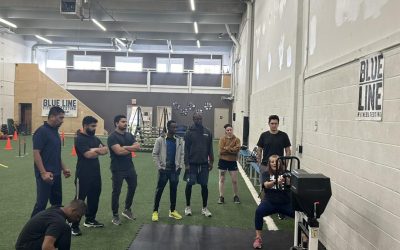
At Blue Line Fitness Testing, we work with first responders and applicants every week who are rebuilding their fitness, confidence, and readiness after time away from training. The good news is that momentum can always be rebuilt.
Here are some practical ways to start getting back at it.
Start Small to Build Momentum
When returning after a mental injury, the biggest mistake people make is expecting themselves to immediately perform at their previous level.
Your nervous system isn’t ready for that yet—and pushing too hard too quickly often sets people back.
Instead, shrink the target.
Rather than asking, “Can I train like I used to?”, ask:
“What’s the smallest step I can take today?”
That could look like:
- A 10-minute walk outside
- A light mobility session
- A short strength circuit
- Simply showing up to the gym without pressure to perform
Consistency builds confidence far faster than intensity.

Train Your Nervous System, Not Just Your Body
Mental injuries often show up in the nervous system as fatigue, hyper-alertness, poor sleep, or difficulty concentrating.
Movement can be incredibly powerful in recovery, but the focus should initially be on regulation, not exhaustion.
Strategies that help calm and stabilize the system include:
- Slow nasal breathing during exercise
- Strength training with controlled tempo
- Mobility and recovery sessions – Yoga for First Responders classes run weekly at Blue Line!
- Low-intensity aerobic training
These approaches help signal safety to the body, which is a critical step in mental health recovery for first responders.
Separate Identity From Performance
Many first responders tie their self-worth directly to performance—fitness scores, operational capability, or test results.
When you’ve been away due to a mental injury, those metrics may temporarily look different. That doesn’t change your value as a person or professional.
Progress during recovery is rarely linear.
Some days will feel strong. Others will feel like a step backward. Both are normal.
Rebuilding confidence takes time, patience, and support.
Rebuild Routine Before Intensity
One of the most powerful tools in recovery is structure.
Long periods of stress or injury often disrupt daily routines, which can impact sleep, motivation, and energy levels.
Before focusing on performance, focus on rebuilding the basics:
- Consistent wake and sleep times
- Regular scheduled movement sessions
- Balanced meals and hydration at set times of the day
- Time outdoors and social connection intentionally built in
Routine stabilizes the body and mind, making it easier to gradually reintroduce higher levels of training.
Train With Purpose, Not Punishment
When people return to training after time away, there’s often a temptation to “make up for lost time.”
That mindset can turn training into punishment rather than progress.
Purpose-driven training—especially job-specific conditioning—helps reconnect you to why you train in the first place.
For first responders, that means preparing your body to safely perform the tasks your role requires.
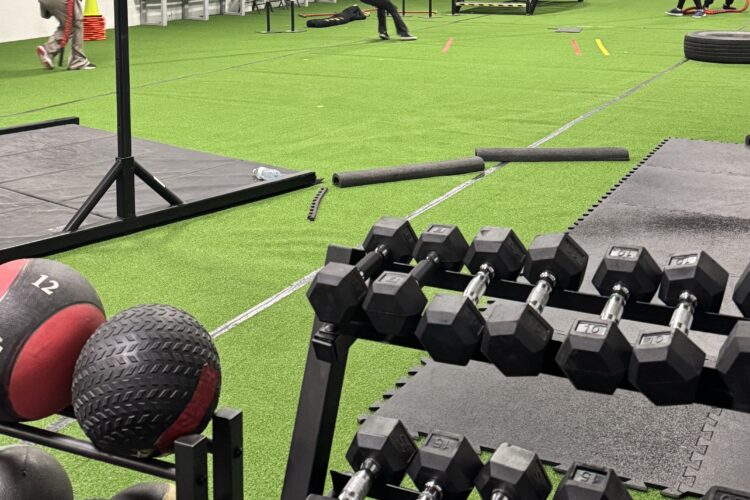
At Blue Line Fitness Testing, our programs are designed specifically for operational readiness. We help individuals rebuild confidence and capability through structured training and objective testing, including preparation for:
- PARE (Physical Abilities Requirement Evaluation)
- COPAT (Correctional Officer Physical Abilities Test)
- SOPAT and POPAT testing
- APREP testing
We also provide VO₂ Max testing and performance assessments that help identify physiological limitations and guide smarter training.
These tools give first responders clear benchmarks and actionable insights as they rebuild fitness and readiness.
You Don’t Have to Do It Alone
Returning after a mental injury can feel isolating, but support makes a significant difference in long-term recovery and performance.
Whether you’re rebuilding general fitness, preparing for a return-to-duty test, or simply looking to regain confidence in your body again, having experienced professionals in your corner matters.
At Blue Line Fitness Testing, we take a holistic approach to first responder wellness, combining fitness, performance testing, and supportive coaching designed for the realities of public safety careers.
Getting back at it isn’t about catching up.
It’s about moving forward—with patience, resilience, and the right support behind you.
For more information on any of the law enforcement testing Blue Line offers, check out these pages and posts:
THE IMPORTANCE OF BEING PREPARED: 5 TIPS FOR EXCELLING IN LAW ENFORCEMENT FITNESS TESTS
TOP 10 EXERCISES TO ACE YOUR PARE OR COPAT TEST
How the Pass the PARE in Alberta
Sirens, Slammers and Service – A podcast for first responders