For many people, December is filled with celebration, downtime, and festivities. For first responders, it can be one of the most demanding periods of the year. Mental health for first responders during the holidays can tank due to increased call volumes, higher rates of domestic incidents, weather-related emergencies, impaired driving, and emotionally heavy calls that all peak over the holidays. And layered on top of that is something many people never see—time spent away from your own family while supporting someone else’s.
Whether you’re in law enforcement, firefighting, EMS, corrections, or preparing to enter the profession, this time of year can stretch your capacity in every direction. Prioritizing mental health isn’t just important—it’s essential for your safety, performance, and long-term resilience.
Below are practical strategies to help you manage stress, protect your well-being, and stay grounded during one of the toughest seasons of the year.

Create Small Anchors in Your Day
Long shifts and irregular hours often make traditional routines impossible. Instead, focus on brief “anchors” you can rely on daily.
Try:
- A 5-minute breathing practice before you enter or leave the station.
- Listening to the same calming playlist during your commute.
- Setting a 2-minute “reset” timer halfway through your shift to stretch, hydrate, or step outside if allowed.
These micro-habits help signal to your nervous system that you’re safe and supported—even on chaotic days.
Stay Connected to Your Support Circle
Missing dinners, gatherings, and holiday traditions with families and friends can create feelings of guilt or isolation. This is compounded by having missed occasions all thorugh out the year already. However, staying connected doesn’t always mean being physically present.
Ways to stay engaged:
- Schedule a short video call on break or after shift.
- Leave voice notes or actual notes for loved ones they can listen or find in a scavenger hunt anytime.
- Plan a “holiday redo” on a day off so you don’t feel like you missed out entirely.
It doesn’t have to look like everyone else’s holiday—just one that is meaningful to you and those you care about.
Have a Post-Shift Decompression Ritual
Mental health for first responders during the holidays can be even more stressed due to extra work, more traumatic calls or staff shortages. You cannot control these factors but you can control how you decompress from them. One of the toughest parts of this work is shifting instantly from a high-stress environment into a calm home. A decompression plan helps you transition more smoothly.
Some options:
- Take 5 minutes before your drive home or before you walk through the door to just breathe and release your day.
- A warm shower before interacting with anyone at home.
- A grounding exercise such as box breathing or progressive muscle relaxation.
- Journaling or using a voice memo to unload anything you’re carrying mentally so it doesn’t follow you into the rest of your day.
This creates separation between “the job” and “the person.” We discuss several of these tactics on our podcast Sirens, Slammers and Service. Check out a few episodes today to see what stands out to you.
Build an Emotionally Safe Team Environment
Coworkers and teammates often understand your stress better than anyone. Creating shared support can help lighten the load. Knowing that you are not alone in missing out on holidays or time with family can help you feel less isolated or alone.
Try:
- A quick check-in at the start or end of shift: “How’s everyone doing today?”
- A culture of stepping in when someone looks overwhelmed.
- Sharing one small morale-boosting item—a treat, a joke, a positive moment from the week.
Connection builds resilience, and resilience is essential in high-demand seasons.
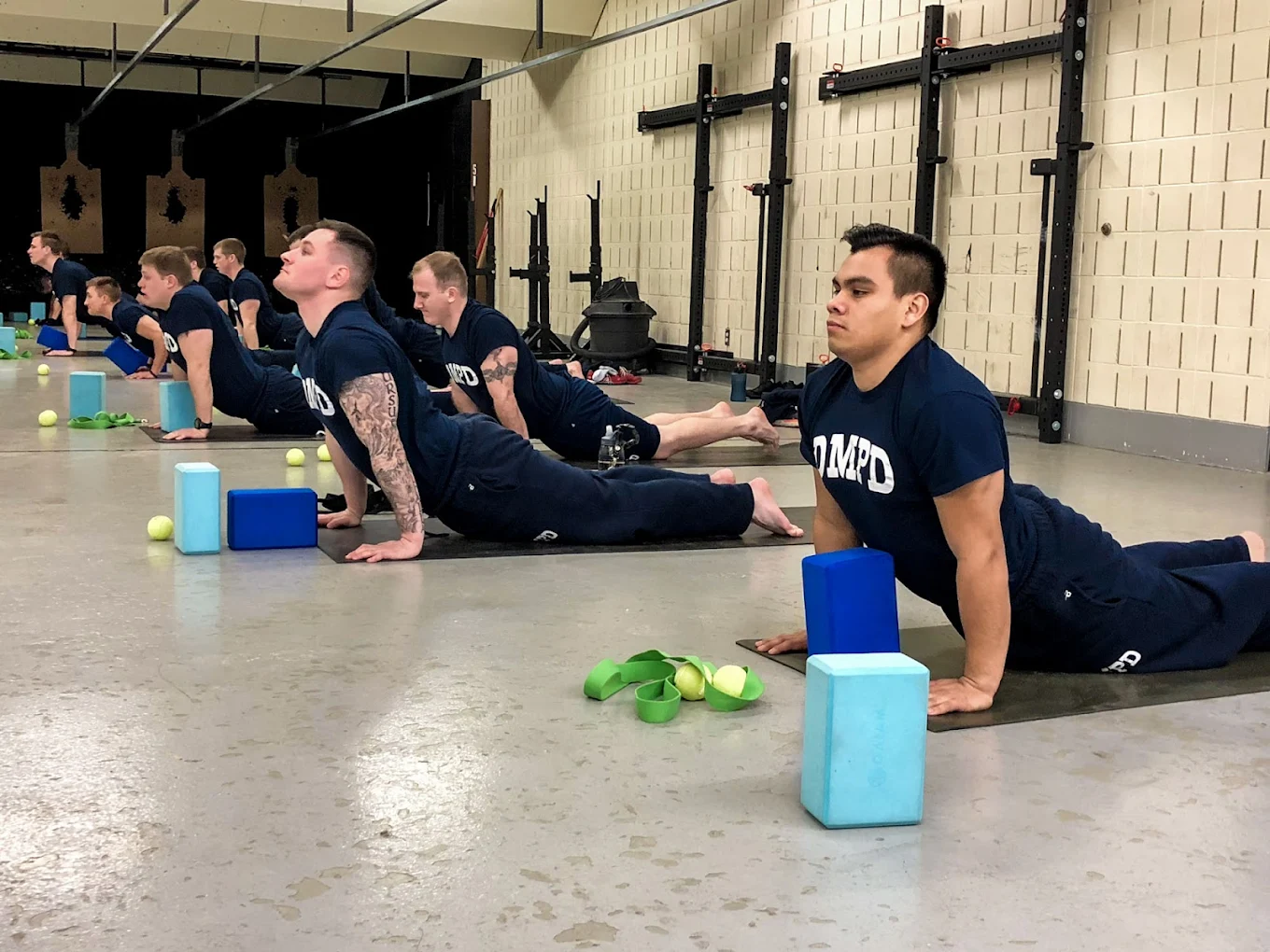
Use Movement to Process Stress
Even 10 minutes of movement can help your body release the physiological tension that builds during traumatic or emotionally heavy calls. Mental health for first responders during the holidays is closely tied to how much you physically move your body to release that stress and decompress.
You don’t need a full workout. You can:
- Take a brisk walk around the station.
- Do a quick mobility sequence before bed.
- Use stretch bands or a few bodyweight exercises to reset.
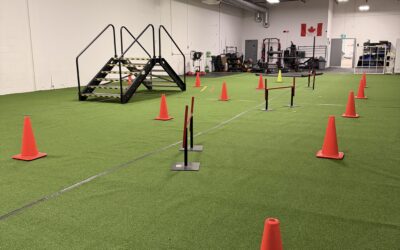
- Take a class such as Yoga for First Responders at Blue Line Fitness Testing where we focus on what first responders need specifically.
Movement doesn’t just support physical health—it’s one of the most powerful tools for mental clarity and emotional regulation.
Set Boundaries Around Additional Commitments
It’s common to feel pressure to help out a little extra during the holidays, work overtime or take on extra shifts especially if you’re newer in your career. But overcommitting can lead to burnout fast.
Healthy boundaries might look like:
- Saying no to optional overtime when your tank is empty.
- Letting family know when you’re not available to host or attend or limiting the amount of people who can attend or the time you or they can stay for.
- Communicating ahead with your team about any personal stressors you’re managing.
Boundaries aren’t barriers—they’re protection.
Know When to Reach Out for Professional Support
You deal with situations every week that most people never face. You’re human, and there is absolutely no shame in needing someone to talk to.
You may benefit from speaking to a counselor if you notice:
- Persistent irritability or anger
- Trouble sleeping or recurring nightmares
- Avoidance of people or situations
- Feeling detached or emotionally numb
- Flashbacks, anxiety, or sudden mood swings
Many departments offer anonymous support lines, peer programs, or mental-health-specific services for first responders. And if you’re in training or preparing for recruitment, building this support early sets you up for long-term success.
What does this mean for me?
The holidays can be incredibly rewarding but also incredibly difficult for first responders. You carry the responsibility of showing up for people on their hardest days, often while sacrificing parts of your own holiday experience. Your mental health deserves the same attention and care you give to the job.
If you’re training for a first responder career, now is a great time to build these habits so you enter the profession with strong resilience already in place.
Your service matters—and so does your well-being.
If you’d like support with fitness, preparedness, or resilience training for law enforcement, corrections, firefighting, or wildland roles, the team at Blue Line Fitness Testing is always here to help you stay strong through every season.